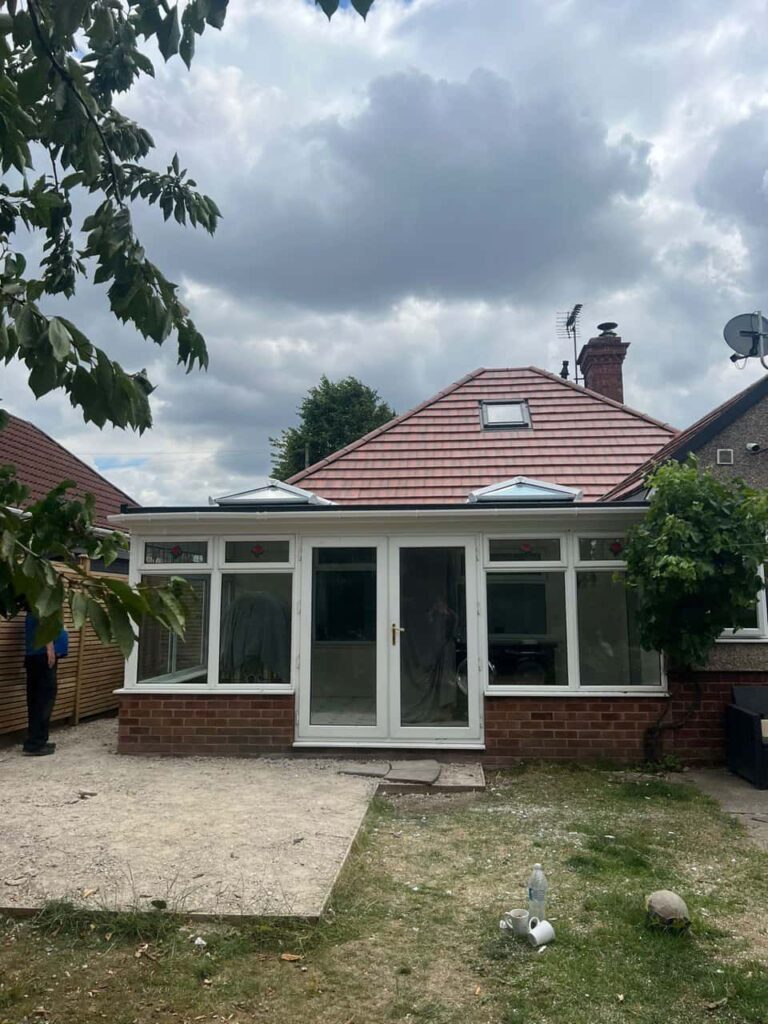
Roofing problems can develop gradually or appear suddenly after severe weather. A small leak, loose shingle or displaced tile may seem manageable, but it can expose the layers beneath the roof covering and allow further deterioration to develop.
Prompt investigation helps determine whether the problem is confined to one area or connected to a wider roofing defect. For homeowners in Goole, East Riding of Yorkshire, understanding the main warning signs can make it easier to arrange appropriate repairs before damage spreads.
What Should Homeowners Know About Roof Repairs?
A successful roof repair must address the source of the problem rather than only its visible symptoms. Water can travel beneath the roof covering, so the damp patch inside a property may not sit directly below the point where rain is entering.
Roof Leaks Need Accurate Investigation
A leak may originate from cracked materials, damaged flashing, failed joints or gaps around roof features. Wind-driven rain can also enter beneath a loose covering and move along the underlay or roof timbers.
A professional inspection may include checking:
- Tiles, slates or shingles
- Ridge and verge details
- Lead flashing
- Valleys and roof junctions
- Chimney surrounds
- Roof penetrations
- Underlay and battens
- Accessible areas inside the roof space
Finding the correct entry point prevents work from being carried out on the wrong part of the roof.
Loose Shingles, Tiles and Slates Should Not Be Ignored
Roof coverings can move even when they do not appear visibly broken. Strong winds, deteriorated fixings and movement in the supporting battens may allow individual pieces to lift, slip or become misaligned.
Once a gap develops, nearby materials can become more exposed to wind and rain. A localised repair may be possible, but the surrounding area should also be checked for weakened fixings and hidden damage.
Broken Roof Coverings Can Expose the Underlay
Tiles, slates and shingles form the roof’s primary weather-resistant surface. When one is cracked or missing, the underlay may provide some temporary protection, but it is not intended to remain permanently exposed.
Continued water entry can affect battens, insulation, roof timbers and internal finishes. Replacing the damaged covering promptly helps preserve the layers beneath it.
Flashing Is a Common Source of Water Ingress
Lead or other suitable flashing protects vulnerable junctions where the roof meets chimneys, walls and adjoining structures. If it becomes cracked, loose or poorly sealed, rainwater can pass into the gap behind it.
Repairing flashing requires more than covering the visible split. The surrounding masonry, fixings and roof coverings should be inspected to ensure the junction works as a complete weatherproof detail.
Valleys and Junctions Require Particular Attention
Roof valleys carry significant amounts of rainwater, while junctions bring different surfaces and materials together. Debris, damaged linings or displaced coverings can obstruct water flow and create points of entry.
A defect in these areas may cause damp to appear some distance away. Careful inspection is essential because patching the nearest visible roof material may not resolve the actual fault.
Ridge and Verge Damage Can Spread
Ridge tiles protect the highest point of a pitched roof, while verge details secure and finish its exposed edges. Cracked mortar, loose fixings or displaced components can allow water penetration and leave surrounding materials vulnerable to wind.
Movement should be addressed before a loose section disturbs neighbouring tiles or falls from the roof.
Internal Warning Signs Matter
Roof damage is not always obvious from outside. Signs inside the property can include:
- Damp patches on ceilings or walls
- Discoloured plaster
- Peeling paint
- Moisture in the loft
- Damp insulation
- Staining on roof timbers
- Daylight visible through the covering
- A musty smell after rainfall
These symptoms should be investigated even if the roof appears intact from ground level.
When Is a Localised Repair Suitable?
A targeted repair may be appropriate when the damage is confined to a clearly defined section and the surrounding roof remains sound. Individual coverings, damaged flashing or a small area of underlay and battens can often be repaired without replacing the whole roof.
Localised work may be less suitable when an inspection reveals widespread deterioration, repeated leaks or numerous defects across several areas. The decision should be based on the roof’s overall condition rather than the appearance of one damaged section.
Why DIY Roof Repairs Can Create Further Damage
Walking on a roof can crack otherwise sound coverings and place pressure on weakened components. Temporary sealants may also redirect water or conceal the defect without correcting it.
Professional roofers use suitable access methods and understand how materials overlap, drain and connect. This allows the repair to integrate with the existing roof rather than creating another vulnerable joint.
What to Do When You Notice a Problem
Avoid climbing onto the roof. Instead, inspect it from a safe position at ground level and note when the problem occurs. Details such as the affected room, wind direction and type of rainfall may help with diagnosis.
Move belongings away from internal damp areas and arrange an assessment promptly. If materials appear loose overhead, keep people and vehicles clear of the area below.
The Value of Professional Roof Repairs
Professional repair work begins with identifying the cause and extent of the damage. The affected materials can then be removed or secured, supporting layers examined and the roof covering restored correctly.
This approach helps prevent repeated work caused by treating only the most obvious symptom. It also allows healthy sections of the roof to be preserved wherever practical.
Conclusion
Roof leaks, loose shingles and displaced tiles should be assessed before water and movement affect a wider area. The most reliable repair is one that identifies the original cause, checks the surrounding materials and restores the roof as a complete weather-resistant system.
If you have noticed roofing damage at your property in Goole, East Riding of Yorkshire, contact TRP Roofing Goole to arrange a professional assessment and receive clear guidance on the repair your roof requires.
Call us on: 0140 580 8597
Click here to find out more about TRP Roofing Goole
Click here to complete our contact form and see how we can help with your roofing needs.